
What to Do if Your Child Gets Overstimulated by Apps?
Many parents notice the same pattern. A child spends time on a tablet or phone, and instead of becoming calm or engaged, they come away more restless, distracted, or irritable.
It can feel like the app made things worse, not better. If this sounds familiar, your child may be reacting to overstimulation.
Why Do Some Apps Overwhelm Kids?
Not all children’s apps are designed in a way that supports focus. Many are built to hold attention by moving quickly, switching scenes constantly, and rewarding fast reactions. While this can feel exciting at first, it often creates too much input for a child to process.
Instead of settling into an activity, children begin jumping from one action to another. This is why many parents say their kids “get hyper after screen time,” even when the session itself was short.
Signs Your Child May Be Overstimulated
Every child responds differently, but there are a few common patterns parents tend to notice:
Difficulty settling down after playing
Sudden mood changes or irritability
Jumping quickly between activities
Struggling to stay focused on one thing
In many cases, it’s not just the amount of screen time that matters, but the type of experience the child had.
What Actually Helps Children Feel Calmer
Children are more likely to stay regulated when an activity feels predictable and manageable.
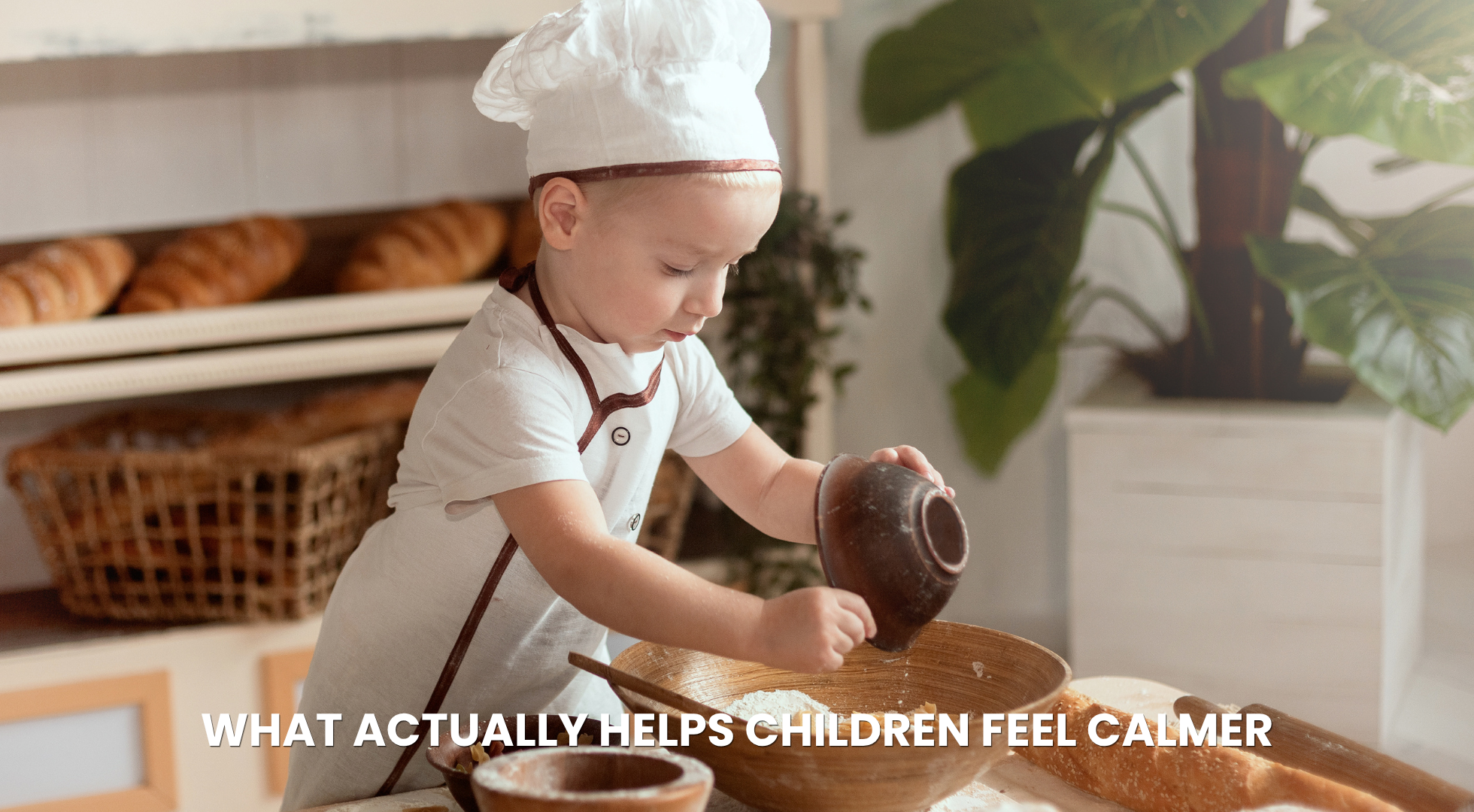
This usually includes:
A slower, more natural pace
One action at a time
Clear, step-by-step structure
No pressure to react quickly
When a child doesn’t feel rushed or overloaded, their attention begins to stabilize. Instead of reacting, they follow.
What Kinds of Games Work Better
Some types of digital activities naturally support a calmer experience.
These include:
Step-by-step games
Real-life simulation activities
Simple tasks like cooking, building, or assembling
In these formats, children don’t have to guess what to do next or respond instantly. They move through a sequence, which makes the experience feel more grounded and easier to follow.
A Calmer Alternative: Step-by-step Cooking Games
Cooking-based games are a good example of this structured approach. Children move through a natural sequence preparing ingredients, combining them, and seeing the result of their actions. This creates a sense of continuity instead of constant interruption.
Some apps, like Food Festival 3, are designed around this principle. As a step-by-step cooking game, it allows children to follow a clear process instead of reacting to fast-changing stimuli. Because of that, kids tend to stay engaged longer without becoming overwhelmed.
How Parents Use These Apps in Daily Life
For many families, the goal is not to remove screens completely, but to make them more intentional.
Calmer, structured apps can fit naturally into moments like:
Quiet time during the day
While a parent is cooking or working nearby
Before bedtime, when stimulation should be lower
Because the experience is steady and predictable, children often transition away from it more easily.
FAQ
Are Calming Apps Better for Kids?
For many children, calmer apps are easier to process. They reduce the need for constant reaction and help kids stay focused on one task at a time.
Why Do Kids Get Hyper After Screen Time?
It often depends on how the app is designed. Fast-paced, highly stimulating content can overload attention and make it harder for children to regulate their energy afterward.
Are Cooking Games Educational?
They can be, especially when they follow real steps. Cooking-based activities help children understand sequences, cause and effect, and everyday processes in a simple and visual way.
